How we drive sustainable development?
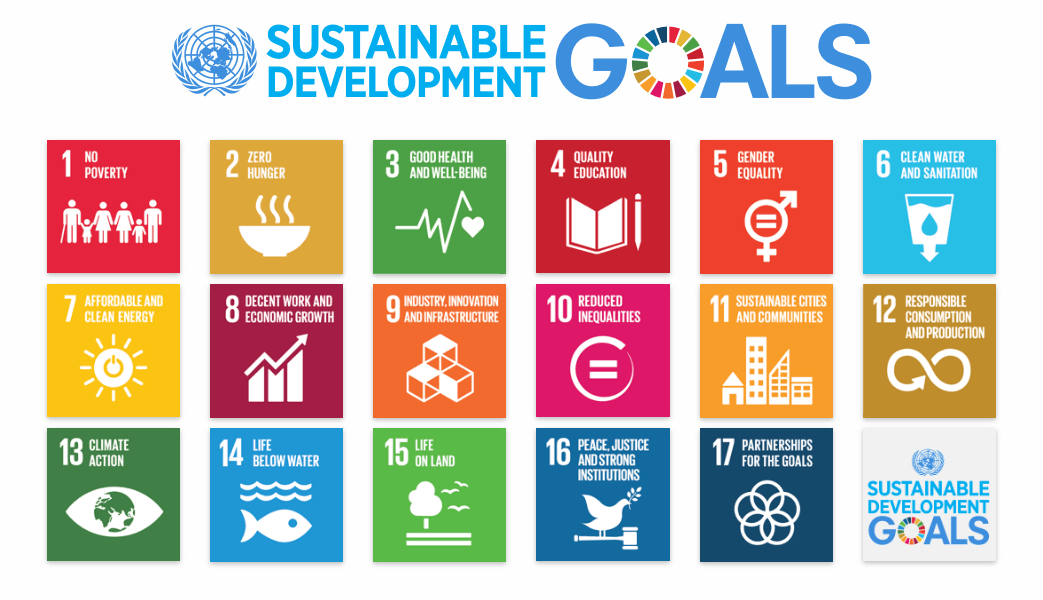
Persistent poverty, growing inequalities, shrinking environmental limits and market volatility threaten the social and economic gains made since the turn of the millennium.
A new development agenda will need to look behind the symptoms to tackle the structural causes or drivers of poverty, inequality, social injustice and environmental degradation in order to create conditions for an economically, environmentally and socially sustainable future.
The social drivers and dimensions of sustainability discussed above offer insights into the wide range of actors, and the complex determinants of their behavior, which will affect the achievement of any sustainable development goals. Structures of power and inequality, institutions and processes of governance, knowledge and belief systems, social norms and incentives for individual or group behavior interact, often in unforeseeable ways. Policy coherence and responsiveness, across the domains of economy, society and the environment, is thus essential for sustainable development outcomes. But policy coherence is not simply about better coordination in the design and implementation of interventions across different fields. It means ensuring that progress in one domain is not undermined by consequences or reactions in another; that the sharing of costs and benefits is perceived as equitable—between groups, countries or regions; that pro-growth policies and technological or efficiency gains do not crowd out welfare and sustainability objectives; and that environmental protection goals are balanced with human welfare considerations. Development that is socially, environmentally and economically sustainable can only be built on such foundations.

CLEAN
GREEN

WATER
LIFE